Overview
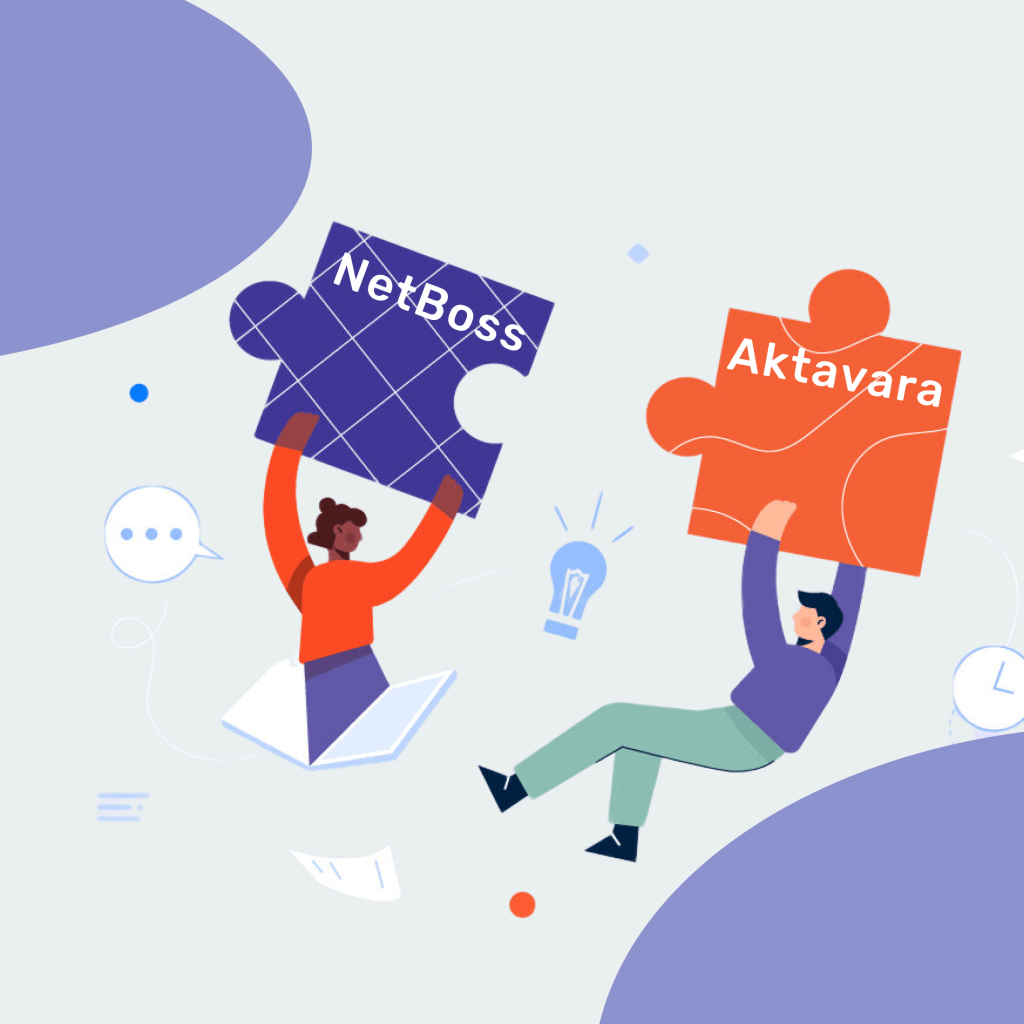
After the success of the InCharge app redesign initiative which I led, I was called upon to look into simplifying two other B2B networking apps.
Before we dive further, a bit of the background…
Enghouse Networks has two network management apps: Aktavara and NetBoss
- Aktavara (acquired by Enghouse in 2015) was a network planning tool used by network engineers to design the network and its inventories.
- Whereas, NetBoss (acquired by Enghouse in 2016) was a network monitoring tool used by technical operators to monitor the system alerts.
Both the apps have been around for more than two decades and are popular tools used in the network industry. Enghouse leaders believed packaging the two apps into one product could be more beneficial for our clients.
Merging the two apps into one – that was my task.
Problem
Aktavara and NetBoss are network managing apps that are used by the same industry. Is there a potential in merging the two apps into one?
Team
Lead UX Designer (Me), 2 UX Designers, PM, PO, 2 Dev Teams
My Role
Product strategy, UX research, design system, visual design
TIMELINE
May 2022 – March 2024
Step 1: Identify Aktavara’s and NetBoss’s users
I talked to every SME I could find, especially those who had knowledge about both the apps. Unfortunately, there weren’t any people who worked on both the apps, so the only solution I had is to gather data from each team and see how they relate to each other.
- I got Aktavara’s product manager and NetBoss’s R&D Director and Architect to demo the app and provide an overview of who uses it and why.
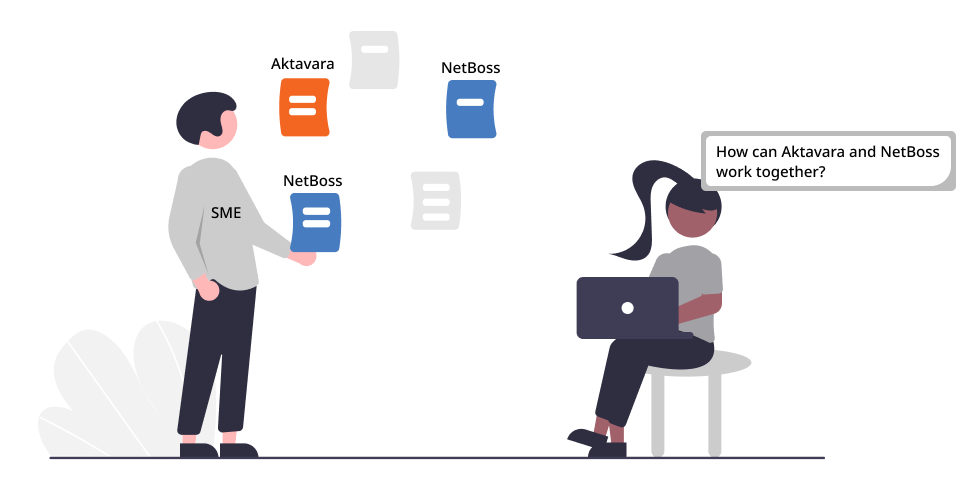
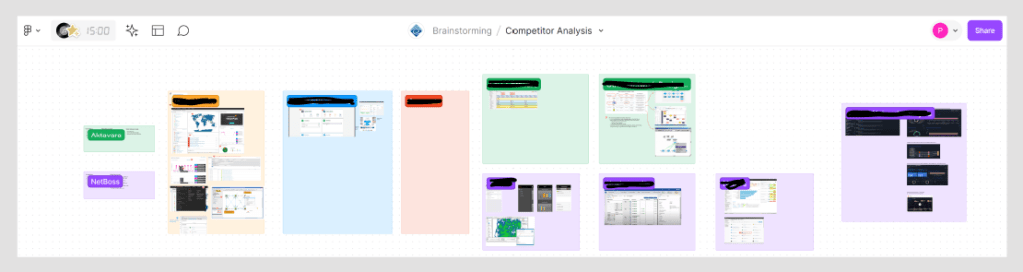
- Next I gathered a list of competitors to understand Aktavara and NetBoss market standpoint. This also helped see if there were products that were considered competitors of both the apps, as this can shed light on commonalities. I found 3 apps that were common competitors!
- I also collected a list of complementary tools the users use, from the sales and operations teams.
In simple terms, Aktavara helps in designing the network and documenting their locations, while NetBoss raises alerts when something goes wrong in those networks. There seemed to be a commonality.
Step 2: Uncovering Aktavara and NetBoss’s user needs and painpoints
Working with the two teams, I conducted the following UX studies to identify their user’s needs and frustration.
- Customer Survey
- Heuristic Evaluation
- User Workshop – Persona creation and Customer Journey mapping
- User Interviews
Through this process, we learnt their needs and painpoints.
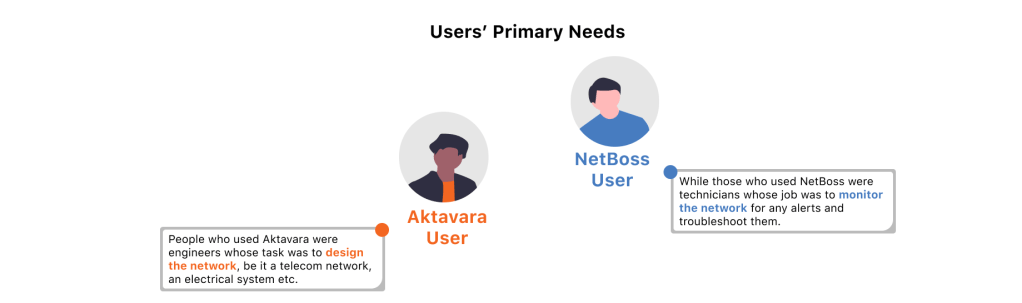
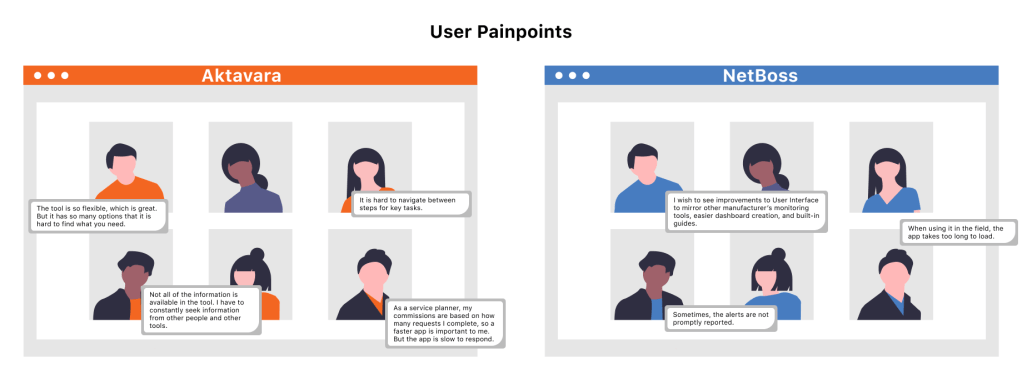
There wasn’t any real overlap between the user groups. The problems related to the apps were an information architecture problem, such as navigation and labelling.
Step 3: Assessing merging potential of the two
So there isn’t any overlap between the two user groups, but what about the industry domain overlap?
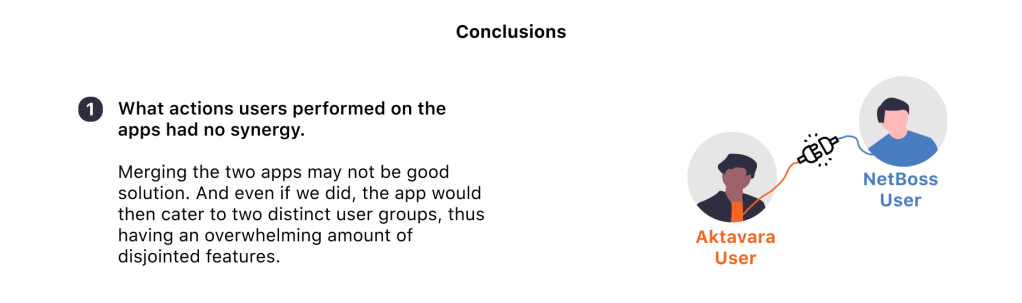
We identified one customer who used both Aktavara and NetBoss. But the way they used the apps were different. The customer directly used Aktavara for their needs, but resold NetBoss for other companies. So the one company that we thought used both the products, didn’t really use both the products. We were back to square one.
Here is what we know:
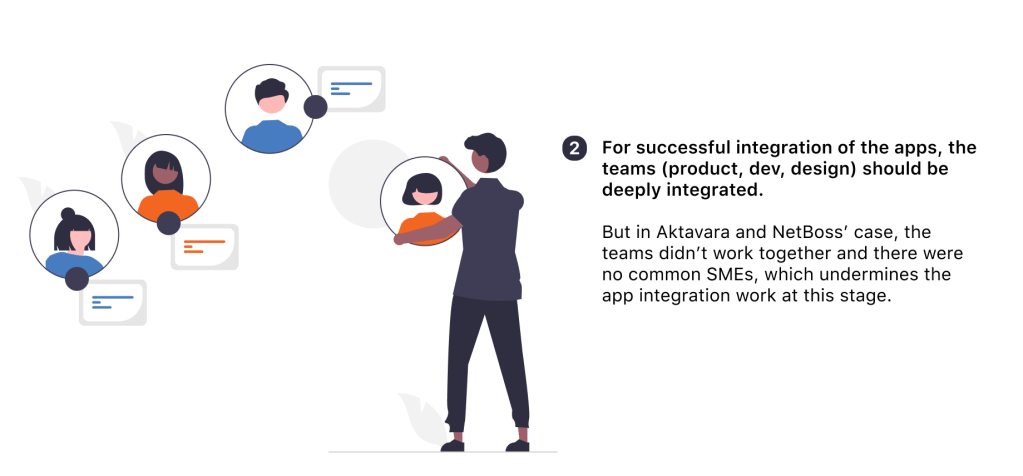
Here is what I proposed:
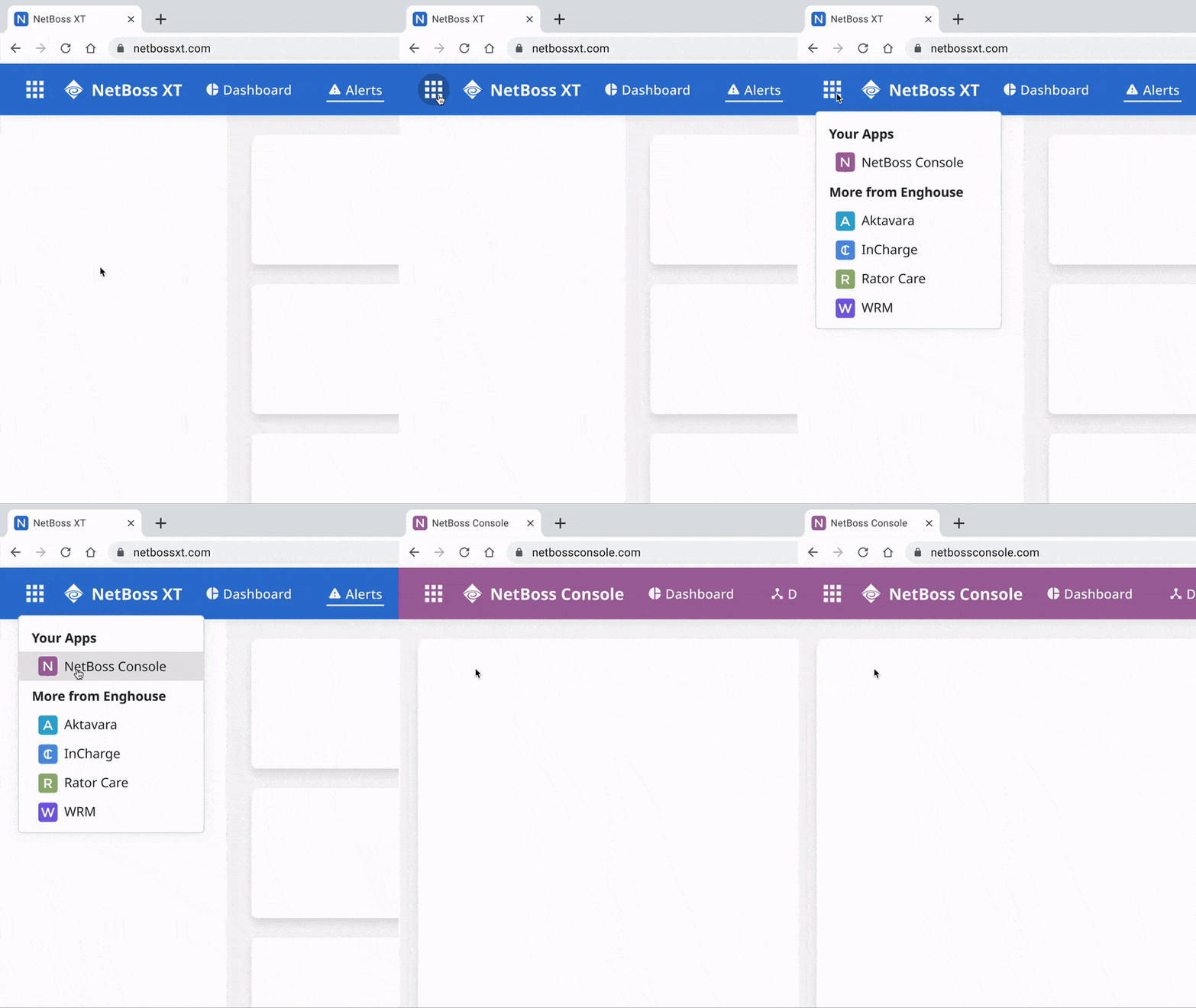
There is no fruitful outcome in merging the two apps into one. But at the same time, the companies could still benefit from a confluence of both these apps.
What we could do next is that we treat it as a suite of apps like how Microsoft or Atlassian does.
Step 4: Fix user’s problems
Now that we learnt a lot about the problems the users are facing, we couldn’t just turn our back to them.
This is also the time when I got promoted to team lead position, so I had a lot more responsibilities. So we hired a new designer who jumped in during this stage. Together, we set out to improve NetBoss.
At this stage, I involved the entire design team. Two reasons. One, UI design can get very subjective, hence it’s important to bounce ideas of one another. Two, the rest of the design team only worked on TV apps, so this would be a great opportunity for them to learn and grow their design skills. Win-win! 🙂
We undertook several exploratory designs paths:
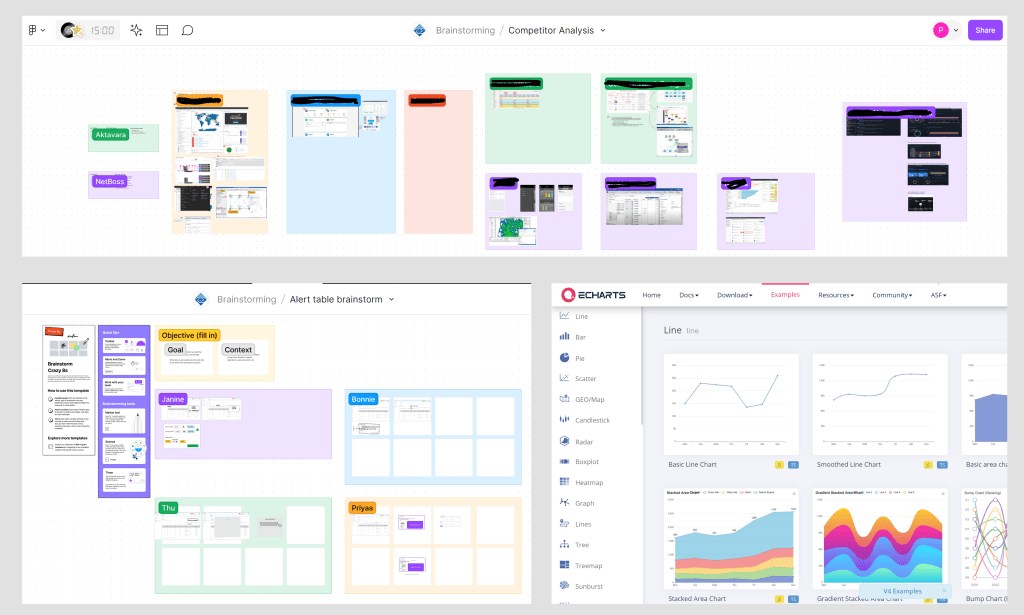
- Competitor Analysis – To understand where our product, its appearance, behaviour and feature list, stands in the market.
- Design System – Another team within our company had just set up a design system a month ago. We worked with them – thus simplifying our design work as well as helping the Enghouse Design System evolve and grow. Like I said, I love win-win!
- Technology – We wanted the implementation to be as easy as possible for the dev team, hence we reached out to them to provide us table bootstrap templates and chart js that they plan on using. We built the UI according to their recommendation.
- Design Brainstorm
- Alert Table View – The most important feature in NetBoss is alert monitoring, hence we ran a design brainstorm session for the alert table view.
- Dashboard View – Using the Apache Chart template (which was what the dev team for planning to use), we built a dashboard view, taking in user’s needs and feedback.
When we had a preliminary wireframe ready, we performed usability tests. With those findings, we fine-tuned the prototype and created the high-fidelity designs. We ran another round of usability tests on the high-fidelity designs to identify anything we missed in the first round of low-fi usability tests.
(This is turning into a long case study, so I’m leaving out usability test process and findings. If you would like to see my evaluative research process, please look at my Personalizing Live TV Experience case study.)
Step 5: Design Delivery and Implementation
This chapter involved:
- The arduous task of making sure every design is accurate, well-informed and pixel-perfect.
- Ensuring every scenario is considered, designed and tested.
- The dev team, that we worked with, never worked with a UX design team, so this was particularly challenging as we set to establish the hand-off process.
(I heard someone use the term ‘hand-shake 🤝’ to describe the hand-off process between designers and developers. I think that’s pretty neat. Hand-shake sounds like a collaboration, while hand-off sounds like you are dumping your files on a developer’s desk and dusting off your hands. Don’t you agree?)
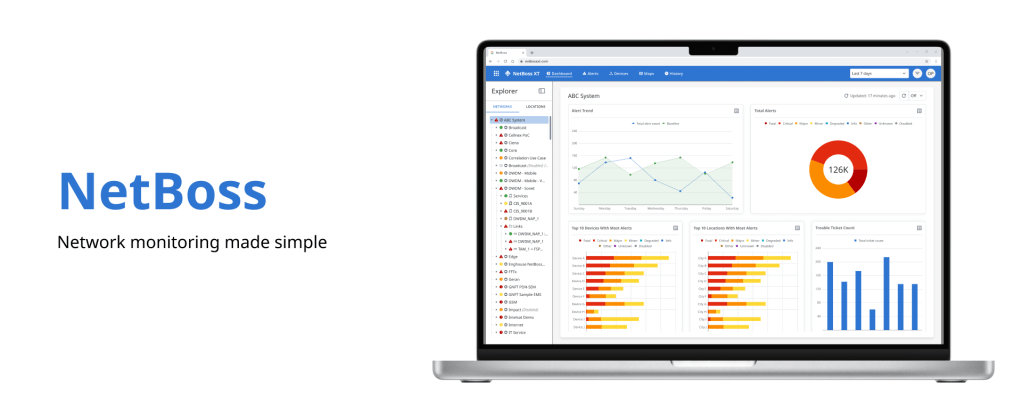
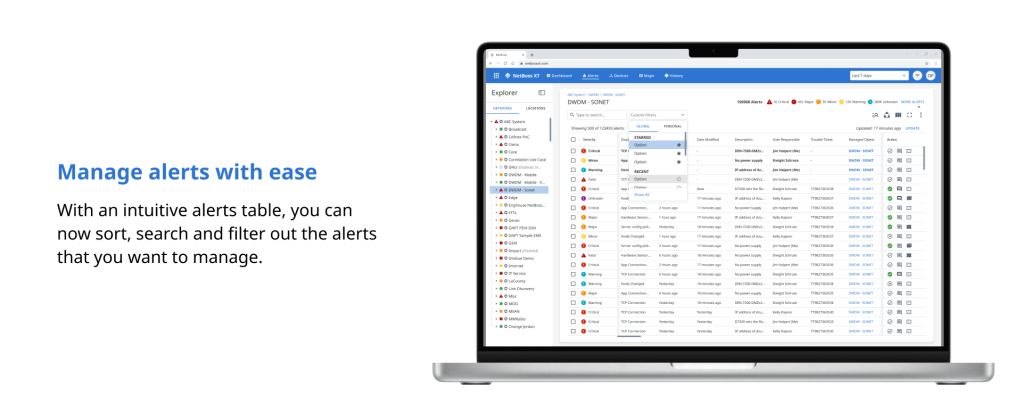
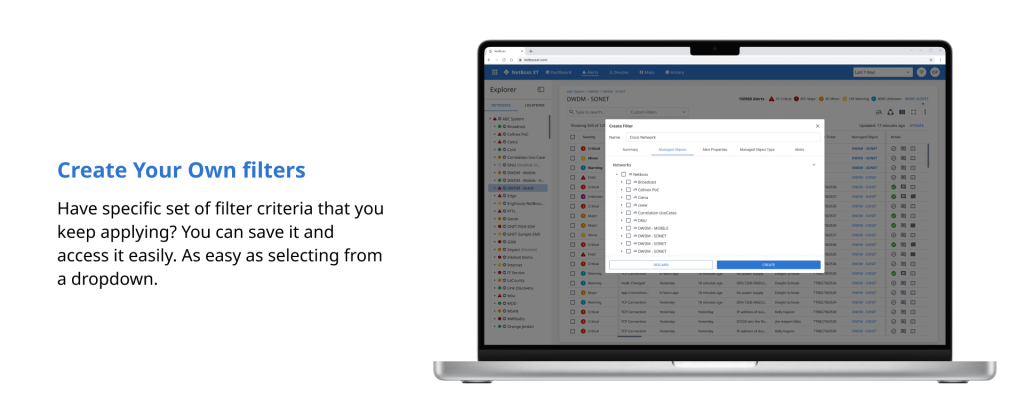
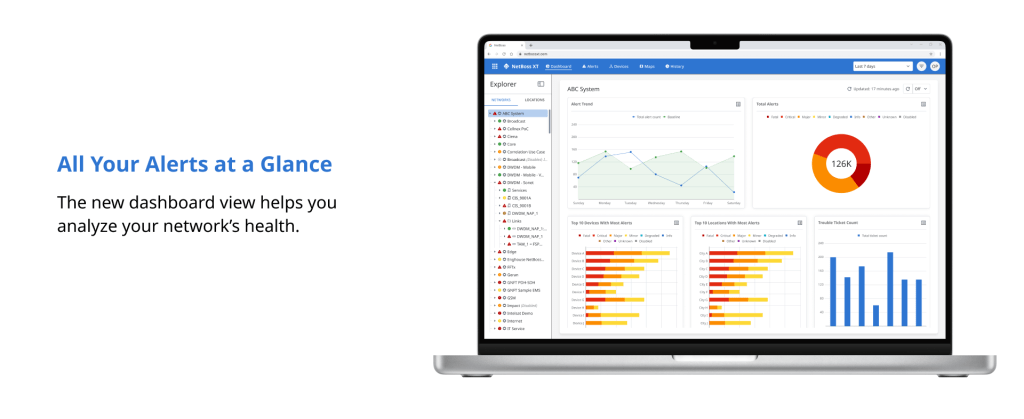
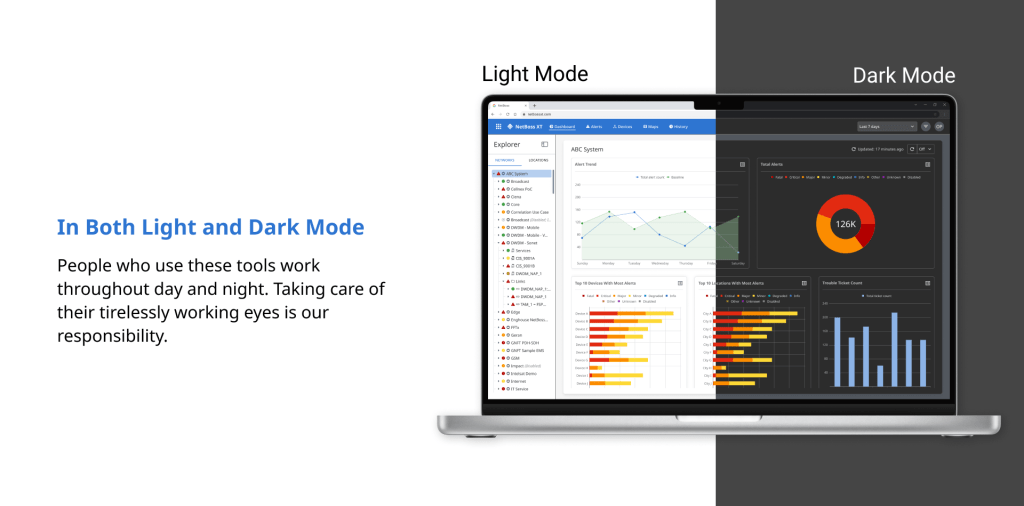
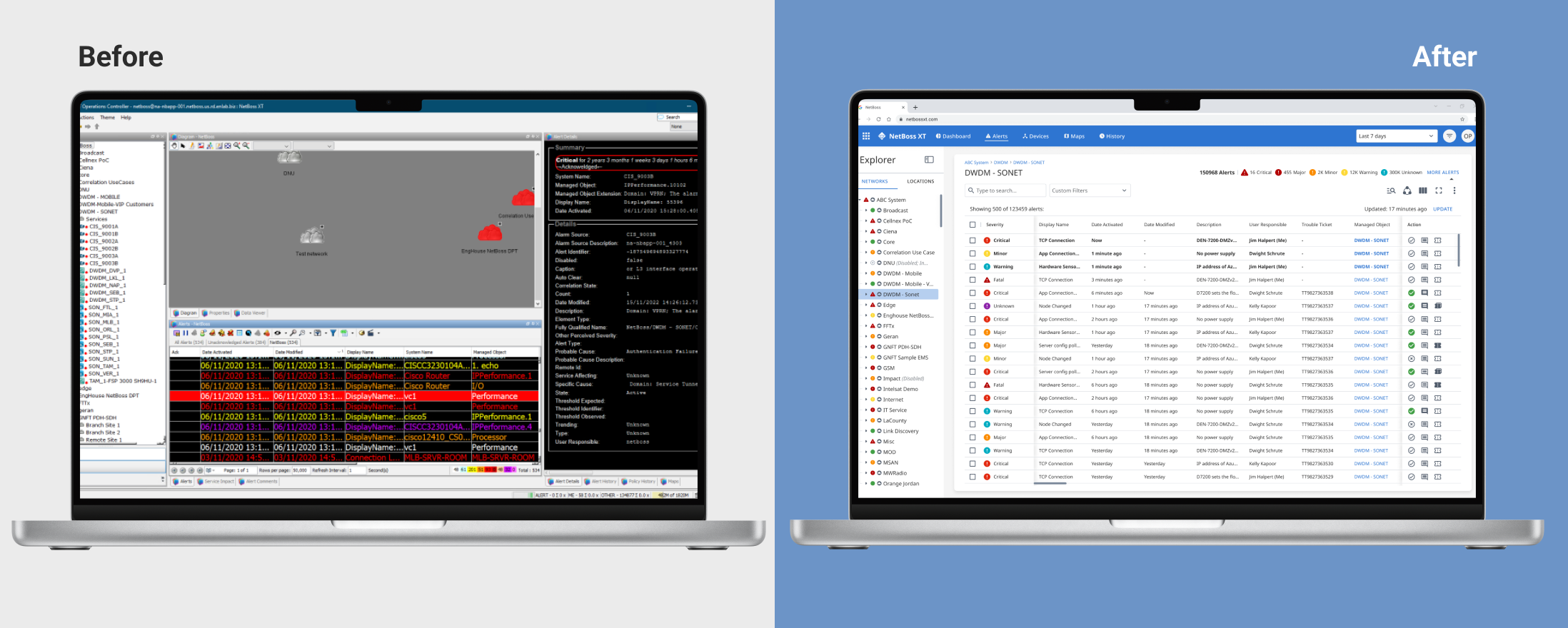
What started as a solo venture to revamp technical apps within the company, is now a team effort. I’m so grateful to my UX Design team, who enthusiastically took on a mammoth of a task and turned into something simpler to use.
Impact
In the past, I led UX Exploration projects on my own. With this project, I could bring in my entire UX team to work on it. And boy, whoever said two hands is better than one is not wrong. We could explore lot more in a short span, and more importantly it was an enriching experience for the whole team to work on something outside our standard EspialTV product.
The proposed product received positive feedback from customers and end-users. The marketing team remarked, “Now this is a product I feel confident presenting to potential customers.” 🎉
 Priyaa Sathiyaseelan